
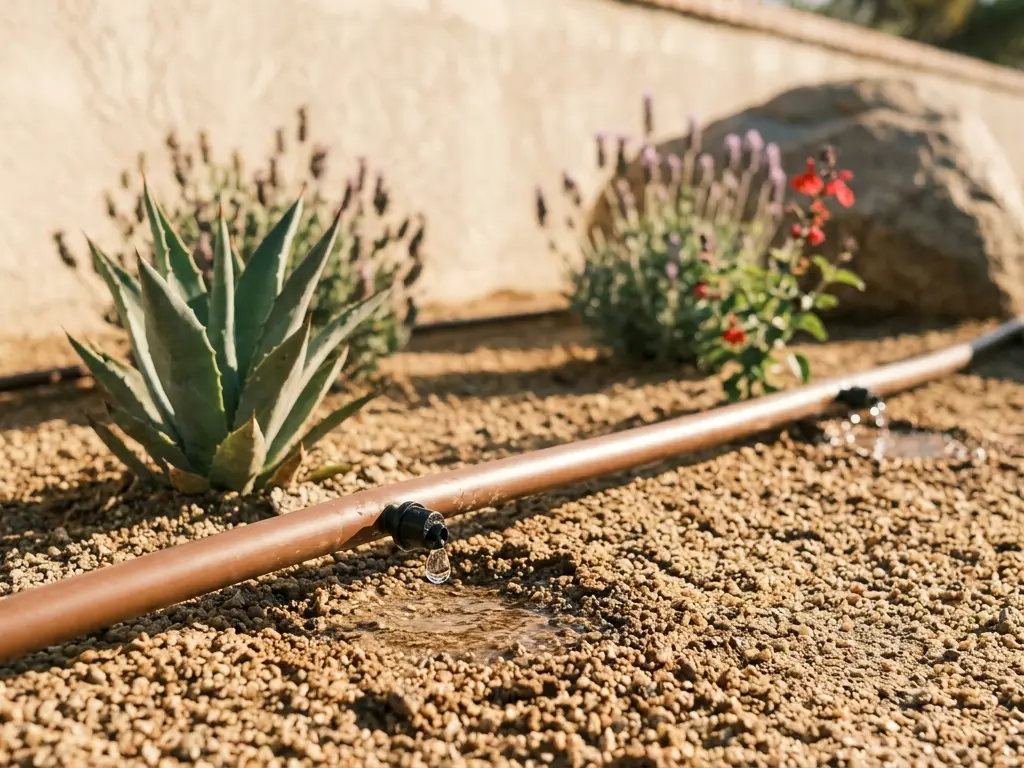
West of El Cajon, on Helix water
El Cajon Sprinklers: Sprinkler Repair in La Mesa
Older front yards, shallow soil over clay, and a lot of lawn that is turning into planting beds.
- El Cajon and East County9 nearby communities, all within 20 miles
- Licensed, insured local contractorsWe work with them; check any license at cslb.ca.gov
- Written price firstTypical ranges published on every service page
- Calls answeredMonday to Saturday, 7am to 6pm
El Cajon Sprinklers arranges sprinkler repair and drip conversions in La Mesa, the city of about 61,100 people about 4.2 miles west of central El Cajon. La Mesa is served by Helix Water District, which treats its water at the R.M. Levy plant in Lakeside, and the USDA soil survey maps the city's center as Redding-Urban land complex: about 15 inches of gravelly loam over a dense clay layer.
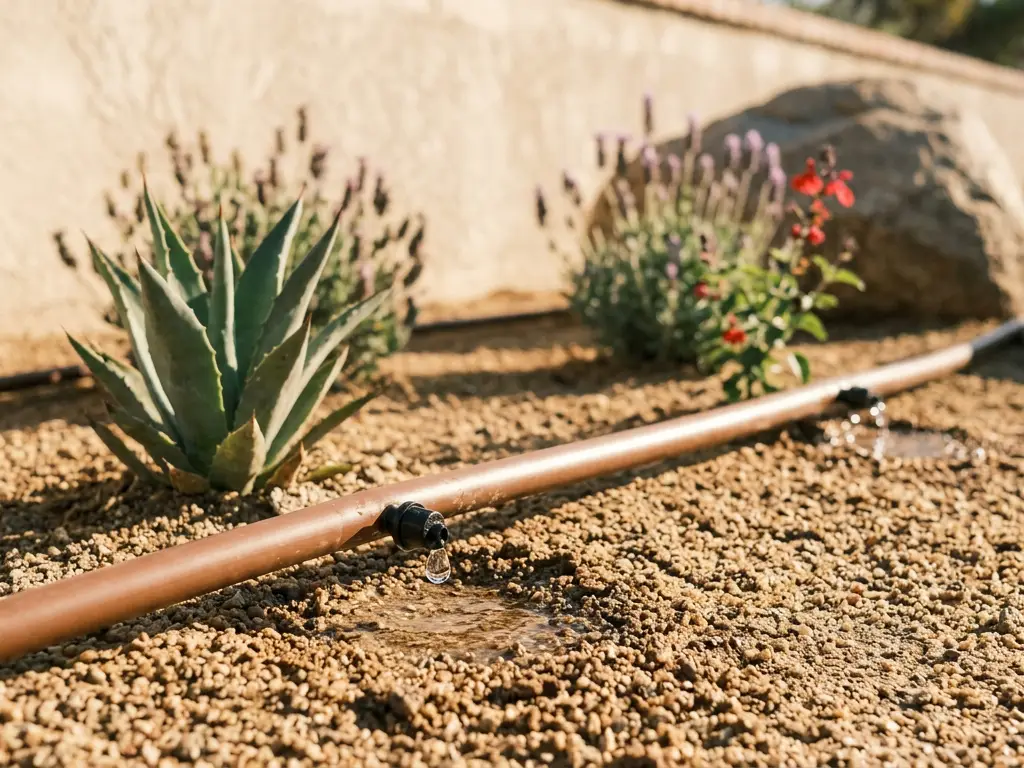
Converting a former lawn to drip runs $1.50 to $4.50 a square foot; leaving the old spray heads to water new shrubs wets walls, walks and the street every cycle, and the runoff and wet footings bring $100 to $400 repair calls.
$100 to $400 for most repairs
Most sprinkler repairs in La Mesa run $100 to $400 (HomeGuide, February 2026). Converting a spray zone to drip runs $1.50 to $4.50 a square foot, or $300 to $1,200 a zone, and is cheapest when the existing valve and pipe can stay.
Get a price: (619) 361-7869What La Mesa yards tend to show
- Spray heads left watering beds where the lawn used to be
- Water standing on the surface long after a cycle ends
- Roots from mature trees cracking shallow laterals
- Old valves weeping into a valve box that never drains
- Overspray onto the walk along the parkway strip
A clay layer at about 15 inches
The Redding soil mapped in central La Mesa has about 15 inches of gravelly loam, taking water at roughly 1.3 inches an hour, then an abrupt change to a layer of 47.5 percent clay that takes about three hundredths of an inch an hour. Water stops at that layer. On flat ground it perches there and waterlogs roots; on a slope it moves sideways and surfaces downhill.
Shorter cycles, deeper roots and slower application suit this soil better than a long daily run. Rotating nozzles at about 0.4 inches an hour, and drip in beds, put water in at a rate the top layer can hold.
When the lawn comes out
Lawn-to-garden conversions leave a common problem: the old lawn heads still running on the new beds. A spray to drip conversion keeps the valve and pipe and swaps the heads for drip, with a filter and regulator added at the valve. Do the irrigation plan before the planting, and check the SoCal Water$mart turf replacement terms before any lawn is removed, since the program sets its own conditions.
Water running where it should not? Describe what you see and get a price range on the phone.
Call (619) 361-7869Helix water in an older system
Helix is at Level 0, so there is no limit on days or minutes, but runoff onto streets, hardscape and neighbors is banned at all times, along with watering for 48 hours after rain. Helix water averages about 12.5 grains of hardness per gallon, and in an older La Mesa system that scale shows up in sticking pop-ups, crusted nozzles and valves that no longer shut cleanly. See sprinkler valve repair for the last one.
New beds on old lawn heads?
Call with roughly how much lawn came out and how many zones serve it, and get a range for converting them.
Call (619) 361-7869Questions from La Mesa
How much does sprinkler repair cost in La Mesa?
Most repairs run $100 to $400. Converting a spray zone to drip runs $1.50 to $4.50 a square foot, or $300 to $1,200 a zone.
Who supplies water in La Mesa?
Helix Water District. It is at Level 0 with no limit on days or minutes, but runoff is banned at all times and you should not water for 48 hours after rain.
Why does water sit on my La Mesa lawn after watering?
The soil mapped here has a dense clay layer about 15 inches down. Water stops at it. Shorter cycles and slower nozzles help.
What are the signs my old lawn heads should be converted?
They water beds that used to be lawn, wet walls and walks, and run water to the street before plants are watered.
Do tree roots break sprinkler lines?
Yes. Roots wrap and crack shallow laterals, especially near mature trees. The break shows up as a wet patch or weak zone.
Common jobs here
- Spray to drip conversionKeep the valves and pipe you already own, swap the spray heads for drip, and stop watering the sidewalk.
- Drip irrigation repairDead plants on a working zone, a geyser from a blown fitting, emitters crusted white.
- Sprinkler valve repairA zone that runs all night, a valve box full of water, a solenoid that clicks and does nothing.
Tell us which zone is acting up
Say what you are seeing (a geyser, a dry patch, a zone that will not shut off, a timer that went blank) and roughly how big the yard is. You will hear what the fix usually involves and what it tends to cost before anyone comes out.
Call (619) 361-7869